Friday, 31 August 2018

Those frustrating Willow Emeralds

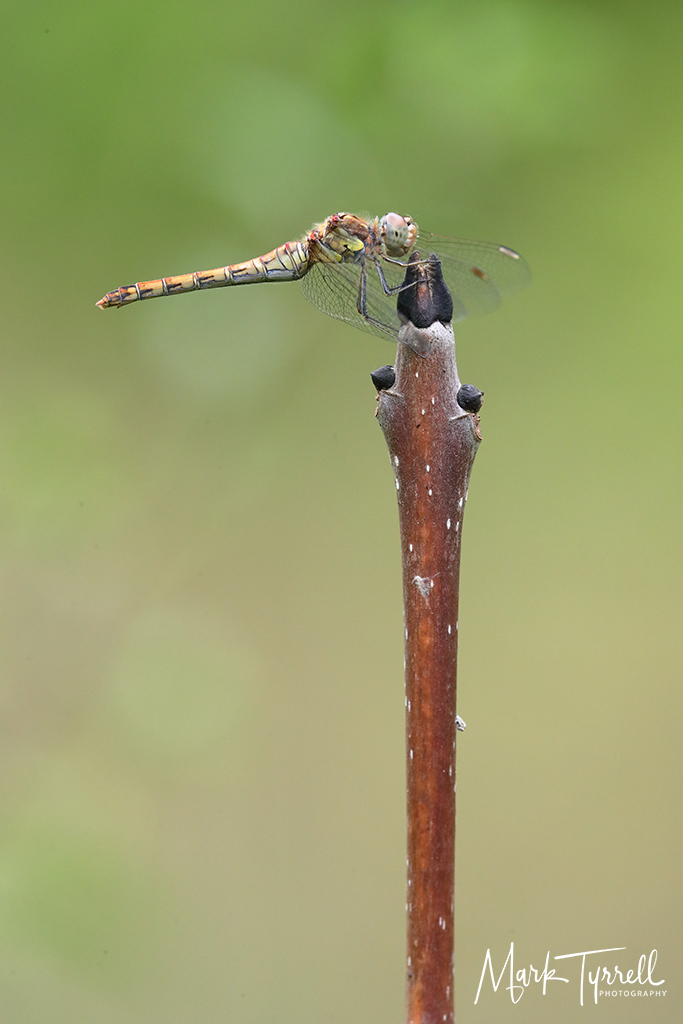
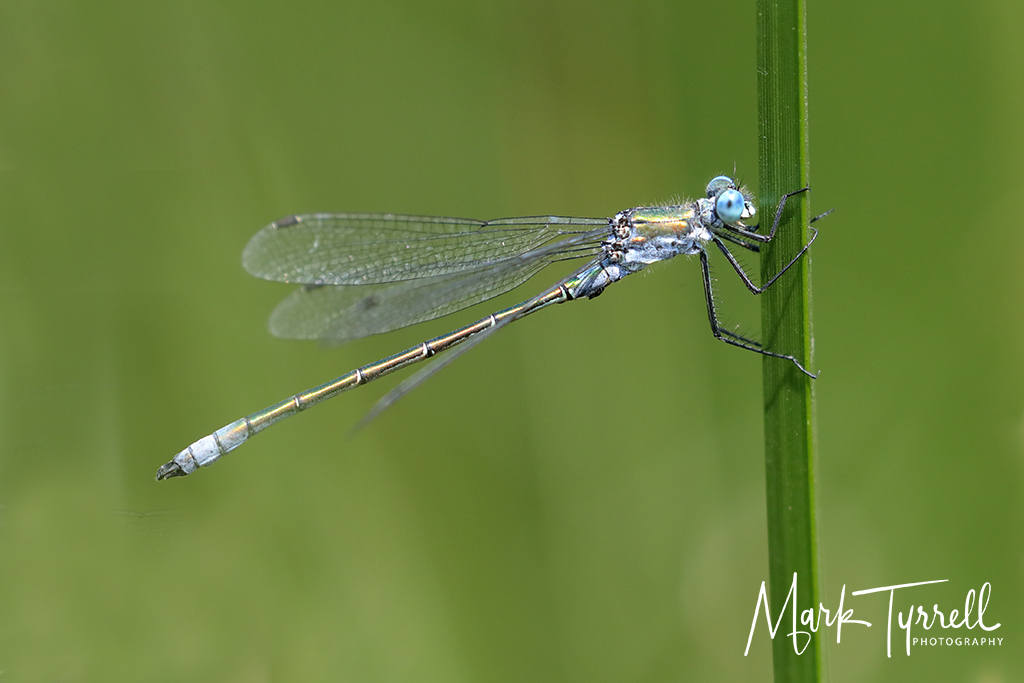
Those Willow Emeralds are getting to be a right pain in the a**e. They are so hard to spot, and still in such low numbers that you can spend hours looking for them and not see any or only see 1-2 males. 2.5 hours today and only 2 males, but at least yesterday I was able to point one out to Bob who'd made 3 previous trips without success. Still, there was plenty of other activity at Finedon, with 3 mating pairs of Migrant Hawkers, ovipositing females, plenty of Common and Ruddy Darters, Southern Hawkers and a single normal Emerald.


Migrant Hawker

Male Willow Emerald

Southern Hawker

Willow Emerald

Willow Emerald

Willow Emerald

Tuesday, 21 August 2018

More Willows

I met up with Darryl at Finedon this lunchtime and we found 4 Willow Emeralds including a mating pair. Unfortunatley, they remained high up in the tree tantalisingly out of reach. Even when they flew around, we didn't manage to photograph them. One male perched on a branch quite close to the bank and we got some good shots when the sun burst through the clouds.


Monday, 20 August 2018

They're back!

I'm relieved to report that the Willow Emeralds are back at Finedon. I was beginning to give up hope, after so many other Counties have been seeing them for several weeks now. My concerns were that the flood on the pond in late spring, which submerged the Willows, had killed the eggs. However this seems not to be the case.

Within a few minutes of arriving, I spotted a male perched on a stick, but before I got a shot off, he launched himself at a female and they both crash-landed in the water in front of me. I got a shot to confirm ID, and went to get a rescue stick, only to find on my return that they had already escaped. Despite 1 hour searching, I couldn't locate them again. At least they survived. Of course, there's still plenty of time to find more.

Also present were ~20 ovipositing pairs of Common Darters, Ruddy Darters, Brown Hawkers, Emeralds and Migrant Hawkers including this mating pair. I also saw a few Blue-tailed Damselflies.

Female Common Darter

Aging male Emerald Damselfly

Male and female Willow Emeralds crash-landed in the pond. They survived, but weren't seen again.

Ovipositing Brown Hawker

Mating pair of Migrant Hawkers

Thursday, 9 August 2018

An abundance of Migrant Hawkers

Migrant Hawkers are now building in  numbers quite rapidly and are showing well at territory at a number of sites. This is quite early as they are usually considered the autumn hawker (indeed that is the proposed new name for it). This species is great to watch at territory. These were taken at Ditchford.

No further sign of the Lesser Emperor.


Sunday, 5 August 2018

Lesser Emperor at Stanwick Lakes

This year has been a good one for migrants, with an invasion of Southern Migrant Hawkers and a Yellow-spotted Emerald seen in Suffolk. I haven't heard of too many Red-veined Darters though, but plenty of Lesser Emperors have been recorded across the UK. 

To date, Northants has largely escaped these invaders, until that is, Doug Goddard reported a male Lesser Emperor at Stanwick Lakes (see Doug's photo below) on 3 August. Naturally, this prompted some excitement and, separately, around 8 of us went down to the Lakes today (4th) hoping he would show again - guess what, nothing. In fact there were so few dragonflies about , perhpos due to the recent heatwave. We did see a few Migrants, Brown Hawkers, Emperors, Common & Ruddy Darters, Brown Hawkers, Banded Demoiselles, Common Blue and Red-eyed Damselflies but in relatively small numbers. There were plenty of blue-form female Common Blues that seem more common at this time in the season.

So, although the Lesser Emperor didn't show, he (or others) may well turn up at other sites along the Nene valley.


Lesser Emperor at Stanwick Lakes (photo by Doug Goddard)

Mating Common Blue Damselflies, female of the blue colour form

Female Emperor

Mating Common Blue Damselflies, female of the blue colour form

Friday, 27 July 2018

Lyveden New Bield

I find Small Red-eyes very addictive at this time of year! During today's 2pm summer finish, I went to Lyveden New Bield, which I rate in Northants top 5 best dragonfly sites. Here I saw hundreds of Small Red-eyes, many egg-laying. Also present were a handful of Four-spotted Chasers, 20+ Emperors, loads of Common Blues and Blue-tails too. A few Brown Hawkers, Ruddy Darters, Emeralds and Azures completed the tally for the afternoon.


Four-spotted Chaser

Male Small Red-eyed Damselfly

Ovipositing pair of Small Red-eyes

Ovipositing pair of Small Red-eyes

Ovipositing pair of Small Red-eyes

Ovipositing pair of Small Red-eyes

Resting Emperor

Ruddy Darter

Wednesday, 25 July 2018

Small Red-eye Bonanza

At the A14/A6 junction at Burton Latimer, a new warehouse complex is being built. Along with the road diversions and basic infrastructure, a new drainage pond has been built to take run-off. This is the only its second season and I finally made up my mind to visit and see what has colonised this new pond. The pond is accessible and is full of rigid hornwort - the Small Red-eye's favourite plant. Lo and behold, on the water I counted over 100 adults, including 1 emerging and many mating and ovipositing pairs. Water levels are quite low and you can get really close to them - probably the closest I've ever been to this species. There were also three Emperors, including an ovipositing female, a single Brown Hawker, a handful of Common Darters and and egg-laying pair. A couple of Black-tailed Skimmers were perched on the muddy margins with an egg-laying female. A single, old male Emerald Damselfly, small number of Common Blues and egg-laying Blue-tailed Damselflies made up the eight species seen. This is a great little pond, although as is usually the case it will inevitably overgrow over the next few years and change markedly. I was amazed how so many species found this pond, especially as it is so close to a very busy road and roundabout - it just goes to show how well dragonflies can colonise new sites.

Elsewhere in the UK, the rare Southern Migrant Hawker (see me blog on the Canvey Island trip) has invaded the country with records at many new sites in Bedfordshire, Hertfordshire and far away in Cornwall. It is therefore possible (and likely?) that some have at least flown over Northants. They like dried out ponds and ditches so if you know any like this it may be worth a look.

No Willow Emeralds at Finedon yet, although it wasn't until mid August that they appeared last year. 

Emperor with a wonky leg - present at least two days running


Small Red-eye bomb - three males fighting over a single female

Small Red-eye and friend (plus reflection)

Tandem pair of Small Red-eyes

Mating pair of Small Red-eyes

Mating pair of Small Red-eyes

Monday, 2 July 2018

Small Red-eyes

Our Small Red-eyed Damselflies are doing well so far, with colonies cropping at at new sites. The Weldon colony is growing, although thanks to the exploits of a family of House Sparrows, not quite as fast as expected. I sat watching engrossed as the Sparrows picked off the emergent Damselflies from the water's surface. Luckily I watched many take their maiden flights straight into the trees around the pond, and there were many adults at territory on the water, including an ovipositing pair.

House Sparrow with a beak full of Small Red-eyes

House Sparrow with a beak full of Small Red-eyes

Ovipositing pair of Small Red-eyes

Territorial male Small Red-eyed Damselfly

Sunday, 1 July 2018

A trip to Canvey Island, Essex

I've been planning to go to Canvey Island to see the Scarce Emeralds and Southern Migrant Hawkers for several years and when Darryl contacted me with the suggestion that we go on 1 July I jumped at the idea, especially as the Mother-in law was due to visit for the day. We visited the ditch opposite the recycling centre and soon located two of our three target species - Scarce Emeralds and Southern Migrant Hawkers. Our third target species, the Southern Emerald remained elusive. We saw hundreds of the Scarce Emeralds including mating and egg-laying and about 25 Southern Migrants including one take its maiden flight. I collected three exuviae. A great day even though we didn't find the Southern Emeralds.


Southern Migrant Hawker

Male Scarce Emerald Damselfly

Southern Migrant Hawker

Scarce Emerald Damselfly

Tandem pair of Scarce Emerald Damselflies

Monday, 25 June 2018

Only one species to go now....

Once upon a time, the Migrant Hawker was reliably the last species to emerge in Northants. When the Small Red-eyed Damselfly appear, this changed with some years showing Small Red-eyes first and some years the Migrants. Now though, with the arrival of the Willow Emerald, Migrants are consistently last but one. This year, Mark Piper reported the first Migrant on 22 June, and James Underwood saw the first Small Red-eye at Weldon on 25 June.

Elsewhere, Barnwell Country Park is showing well with many Scarce Chasers, Black-tailed Skimmers and Emperors (especially ovipositing).

At Hanging Houghton, the Beautiful Demoiselles are still showing well.

Emerald Damselfly and Ruddy Darter numbers are building well, with plenty at Finedon, Norton and Yardley Chase.

I haven't receved any records from Boddington Reservoir fecently, so was pleased whrn Bee Jackson sent some to the facebook group, listing Common Blue Damselflies, Emperors and Black-tailed Skimmers among others.

Mating Black-tailed Skimmers, Old Sulehay quarry

Damaged male Southern Hawker, Yardley Chase

Female Southern Hawker, Yardley Chase

Recently emerged Emerald Damselfly, Yardley Chase

Male Ruddy Darter, Finedon

Ovipositing Emperor, Finedon

Broad-bodied Chaser, Finedon